

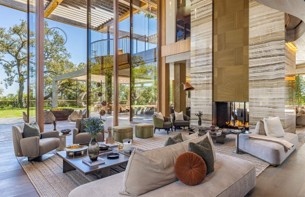
The Emotional Signature of Every Space
Walk into any space and, within seconds, you’ve already formed an opinion about it. It may feel welcoming, calm, energising, sophisticated, or perhaps a little unsettling.
What’s interesting is that this judgement often happens before you’ve consciously noticed the lighting, the furniture or the finishes.
This is the concept of environmental psychology which studies how our surroundings influence our thoughts, emotions and behaviours and
how we respond to spaces emotionally before we evaluate them rationally. Our brains are constantly interpreting cues from our environment, shaping how we feel.
This is why some spaces leave a lasting impression while others are quickly forgotten.
Every space has an emotional signature. It is created by detailed design decisions working together, often so seamlessly that we hardly notice them.
From the quality of light to the materials we touch, the way a room unfolds as we move through it, to the balance between beauty and functionality.
These elements do not only define how a space looks but more importantly, improve how it feels to live in it.
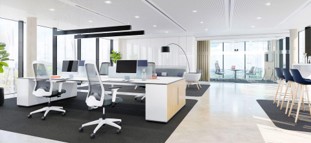
Great Spaces Reduce Mental Effort
There is a reason people instinctively gravitate towards spaces filled with natural light, fresh air and authentic materials.
Our connection with nature is deeply ingrained.
The concept of biophilic design recognises that humans evolved in natural environments long before cities became our primary habitat. As a result, our brains continue to respond positively to elements that echo the natural world.
This goes far beyond adding a few indoor plants.
Natural daylight supports healthy circadian rhythms. Organic textures create visual warmth. Timber, stone and flowing air introduce a sense of calm that synthetic environments often struggle to replicate.
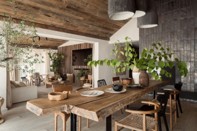
Why Bringing Nature Indoors is Always a Great Idea
There is a reason people instinctively gravitate towards spaces filled with natural light, fresh air and authentic materials.
Our connection with nature is deeply ingrained.
The concept of biophilic design recognises that humans evolved in natural environments long before cities became our primary habitat. As a result, our brains continue to respond positively to elements that echo the natural world.
This goes far beyond adding a few indoor plants.
Natural daylight supports healthy circadian rhythms. Organic textures create visual warmth. Timber, stone and flowing air introduce a sense of calm that synthetic environments often struggle to replicate.
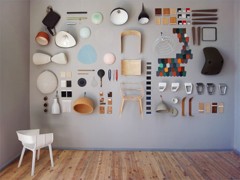
Materials Matter More Than We Think
Materials do more than complete a design.
They communicate.
Designers refer to this as materiality — the understanding that every material carries its own visual, tactile and emotional qualities.
Natural stones convey permanence. Timber introduces warmth and familiarity. Bronze develops character over time. Glass creates openness without sacrificing light.
Then there is tactility – the experience of a space through touch.
The reassuring weight of a well-crafted door handle. The cool surface of natural stone beneath your fingertips. The texture of timber that reveals itself over years rather than wearing away.
These moments are brief, but they reinforce our perception of quality, creating luxury that reveals itself through authenticity.
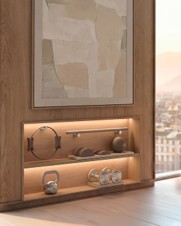
The Best Designs Support Everyday Living
The best, most thoughtful designs are human-centred design. These are designs that begins with people. How will they experience daily activities in this space? What routines take place here every day? What small frustrations can a thoughtful detail eliminate?
When these questions shape the design process, the result is an environment that feels more comfortable and enjoyable.
Beyond Aesthetics
We often associate good design with beauty, and there is nothing wrong with that. Beauty certainly matters.
But the spaces that leave the deepest impression on us succeed because they feel timeless and prioritise human experience over passing trends.
At Black Pelican Group, our design philosophy is simple: create beautiful spaces that understand the people they were designed for, reduce unnecessary physical and mental effort, connect people with nature, engage the human senses thoughtfully, support healthy routines. Every product and project is shaped by a people-first approach. Whether through lighting, wellness solutions, architectural finishes or interior design products, our focus blends aesthetics with improving the experience of everyday living.